

The transition from employee to decision-maker is one of the most important shifts in a professional journey. Early in a career, success is often measured by execution: completing tasks, meeting deadlines, and performing a specific role well. As responsibilities grow, expectations change. Professionals are asked to evaluate situations, guide people, manage resources, explain decisions, and consider the wider impact of their actions.
This transition requires business knowledge. Decision-makers need to understand more than their own department. They must consider financial realities, customer needs, operational capacity, team performance, market positioning, and long-term goals. A decision that looks simple from one perspective may affect other areas of the organization. Approving a campaign, changing a process, hiring a new team member, adjusting prices, or expanding a service all require judgment that goes beyond technical execution.
Many professionals discover this gap when they are promoted or placed in leadership situations. They may be skilled in their function but less confident when decisions involve numbers, strategy, people management, or business trade-offs. Business education can help prepare individuals for this shift by giving them the language and frameworks to think more clearly about management responsibilities. It helps professionals understand why decisions are made, how risks are assessed, and how different business functions connect.
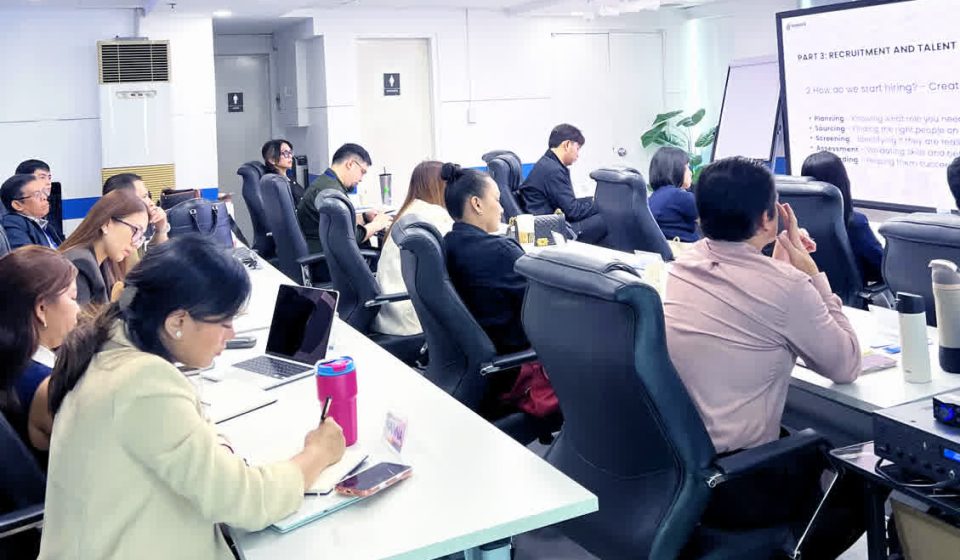
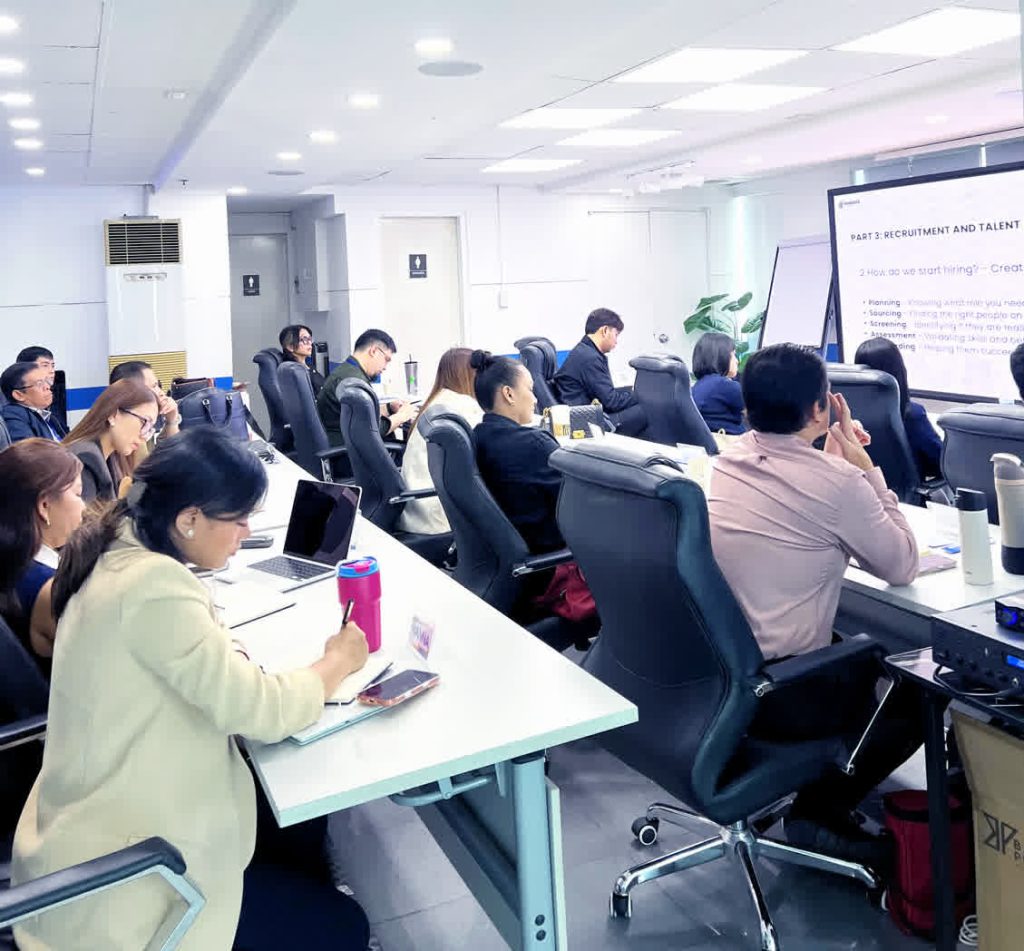
Innovated Business Academy, or IBA, provides practical business learning for individuals who want to strengthen their readiness for higher responsibility. By exposing learners to areas such as finance, marketing, operations, leadership, strategy, and people management, IBA supports professionals who want to move from task-based contribution to more thoughtful decision-making. This kind of learning is useful not only for entrepreneurs, but also for employees preparing for supervisory, managerial, or leadership roles.
Becoming a decision-maker is not only about having authority. It is about developing the judgment to use that authority well. Professionals who invest in business knowledge are better prepared to understand consequences, communicate decisions, and contribute with greater confidence. As careers progress, the ability to think like a business leader becomes just as important as the ability to perform a job well.